
How to Flip Houses While Working a Full-Time Job
You can flip while you keep your job. Here is how to budget time, hire the work, and avoid a project that needs you at 10 a.m.
Read article ↗The real estate journal
Read practical real estate guidance from Joe Homs for Orange County buyers, sellers, investors and agents.
570 articles · Page 1 of 24
You can flip while you keep your job. Here is how to budget time, hire the work, and avoid a project that needs you at 10 a.m.
Read article ↗
Flip profits are often taxed differently from a long-term hold. Learn the questions to take to a CPA before you buy the house.
Read article ↗
Wholesaling and flipping solve different problems. Compare cash, time, and risk, and see where California license rules belong in the choice.
Read article ↗
There is no single best flip city in Orange County. Here is a city-by-city way to judge spread, permits, HOAs, and the capital you need.
Read article ↗
A house flip is several timelines stacked together. See each phase, from contract to resale, and what actually makes one run long.
Read article ↗
A flip is profitable only when the resale clears every cost. Here is how to judge an Orange County deal without a fake market forecast.
Read article ↗
A flip costs more than the remodel. See every budget line, from purchase to resale, and why Orange County has no single average.
Read article ↗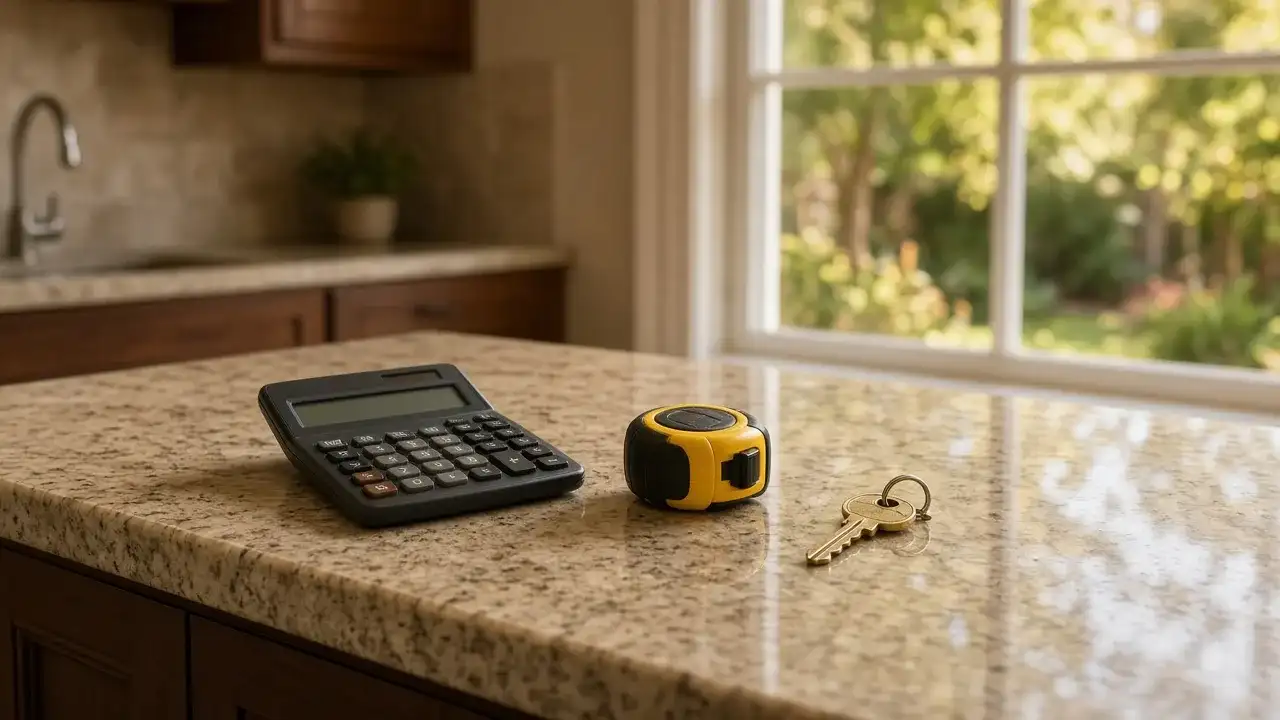
Use the 70% rule as a first screen for a flip. See the formula, what the cushion must cover, and a labeled Orange County example.
Read article ↗
Downsizing in Orange County is not just about buying less house. Learn how HOA dues, taxes, insurance, financing rules, and resale flexibility can change the true cost of your next property.
Read article ↗
Our team is pleased to share that we have been featured in an editorial roundup highlighting leading realtors in Orange County. The feature brings together professionals recognized for their presence and work within the local…
Read article ↗
Understand rental-property deductions, repairs versus improvements, depreciation, loss limits and records to review with your tax professional.
Read article ↗
Capital gains tax in real estate is the tax on the profit from selling a property. The profit is calculated as the sale price minus the adjusted basis (which is the purchase price plus any improvements minus depreciation). Understanding…
Read article ↗
In a 1031 exchange, real estate investors can sell an investment property and reinvest the proceeds into another like‑kind property, deferring capital gains taxes. This mechanism not only preserves invested capital but also enhances…
Read article ↗
Real estate depreciation tax savings refer to the IRS-allowed deduction that lets investors recover the cost of income-producing properties over time. In simple terms, it lets you deduct a portion of your property’s cost each year so…
Read article ↗
Tax benefits real estate investing are IRS-approved deductions, deferrals, and credits that reduce taxable income and capital gains taxes for property owners. In simple terms, investors can lower the amount of tax they pay by taking…
Read article ↗
For many real estate investors, buying a property is just the beginning. The next big step is having a clear plan for when and how to exit. Exit strategies for buy and hold investors are the pre-planned ways you’ll eventually sell,…
Read article ↗
Portfolio diversification in investing means you do not put all your money into one stock, asset, or location. Instead, you split your money among different types of investments such as stocks, bonds, and real estate to reduce risk and…
Read article ↗
Buy and hold real estate is a long-term plan where investors purchase properties and maintain them for many years. The goal is to earn ongoing income from rent and benefit from the property's appreciation over time. Despite its…
Read article ↗
Buy and hold real estate investment is a long-term approach. Investors purchase properties and retain them to benefit from both steady rental income and property appreciation. Key points include:
Read article ↗
Buy-and-hold investing is a simple and proven way to build long-term wealth. In a buy-and-hold strategy, investors purchase properties to hold them for five to 30 years. They enjoy steady rental income while the property value grows…
Read article ↗
The best locations for buy and hold investments are key in achieving success in real estate. Buy and hold describes a style of investing in which you acquire a property to rent out long term, generating income through both rental income…
Read article ↗
Financing for buy and hold real estate is the backbone of long-term rental investments. This term refers to the strategies and methods used to secure funding for properties intended to generate rental income, benefit from property…
Read article ↗
Rental property ROI is one of the most important measures in real estate investing. It tells you how well your investment is working by comparing your net profit to your total investment. In simple terms, ROI = (Net Annual Profit /…
Read article ↗
The buy and hold strategy is a long-term investment technique where investors purchase assets—whether stocks, real estate, or bonds—and hold them for many years, ignoring daily market fluctuations. In essence, investors focus on the…
Read article ↗