Orange County Real Estate Broker. Fifty years of Orange County, in your corner.
You may be buying your first home, selling the family house, building a portfolio, or growing your career in Laguna Hills and Orange County. Joe has done it hundreds of times. He will do it with you.
Now flying over Lake Mission Viejo33.61° N · 117.66° W
How I can help
A different plan for every Orange County real estate move.
You may be buying your first home, or selling the house you raised your kids in. You may be flipping your tenth house, or building a real estate career. Walk through and see how I help.
Keep scrolling →
Buy
01 For home buyers
Win the home. Never overpay.
Southern California moves fast. I help you get the home, and I negotiate so you do not overpay. I have saved clients millions.
You get professional photos and worldwide online exposure. You also get direct mail and open houses. Contractors stand by. I bring every professional to you.
You get a custom marketing plan that gets the neighborhood talking.
20+homes sold a year, 10 to 20 times the average agent
Invest
03 For investors
Invest with a mentor, not a guru.
I have flipped homes and held property through every market since the 1970s. I teach my strategies for free. If your deal fits my criteria, I will buy it.
You get free education and one-on-one mentoring.
You get Pellego tools for flips, rentals, comps, and rehabs.
Pellego is an investor-friendly brokerage for agents. You keep the sale commission. You get licensed transaction support, and free training from people who actually close.
You keep the sale commission, with a flat fee per closing.
Broker support is fast. Call or text anytime.
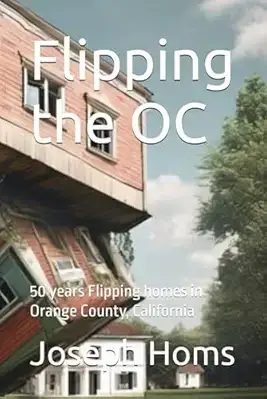
Training is free, from Flipping the OC to finding deals on the MLS.
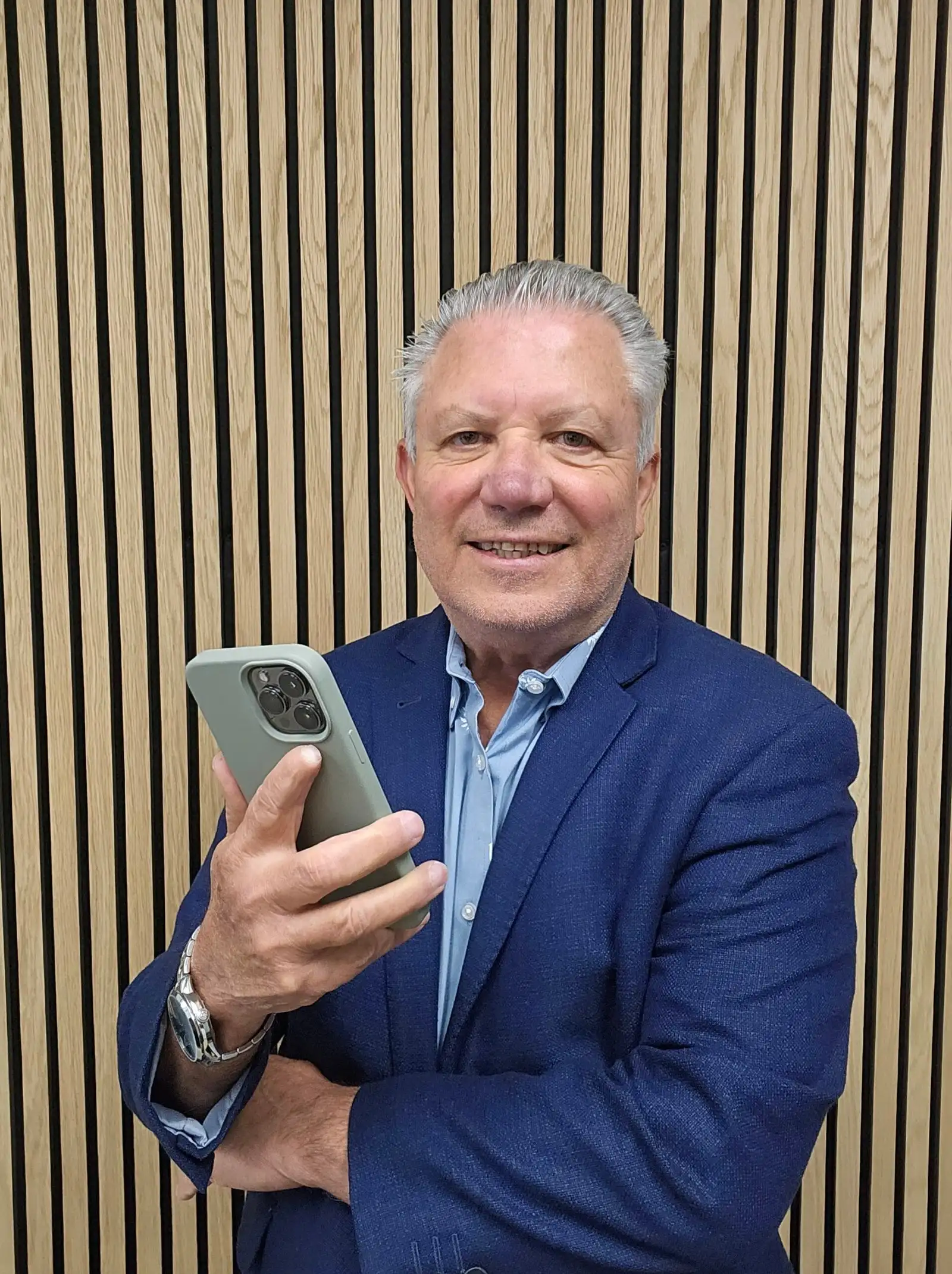
An Orange County real estate broker, a flipper, and a mentor.
Joe Homs, designated broker of Pellego
I bought my first home at twenty and my first investment at twenty-two. My father taught me the business, dragging me out to fix-and-flip projects in the early 1970s.
Today I flip homes with my daughter Melissa and son-in-law Ryan. I host local investor meetups. I help families buy and sell across Orange County.
I have known Joe for almost 10 years. He is an amazing person. He has been helping real estate investors for free for as long as I have known him. With his 50 years of real estate experience, there is nothing that he doesn't know about this business. Unlike all those "Gurus" out there that mostly are interested in making money from real estate education, Joe is completely hands on with his real estate brokerage and his whole selling and flipping business. In addition to his exemplary work with his real estate agents, he offers free one-on-one consulting to anyone that is or wants to be in the real estate investing field. If you are in the Orange county area, I would definitely recommend that you attend one of Joe's meetup and get to know him
Joe is an amazing broker, investor and mentor. He took me from knowing nothing about real estate to flipping and buying my own properties in less than 12 months. I am continuing to learn and work with Joe. I recommend anyone use Joe for anything related to Real Estate.
I am a real estate newbie and needed some help and direction. Joe has been very helpful and insightful. He has inspired me to begin my real estate journey and has given me direction to succeed. I am looking forward to learning more and grateful to have had the opportunity to link up with him
Joe has so much knowledge and wisdom and is very willing to share. His insights were extremely helpful and informative. We thoroughly enjoyed our conversation with him and look forward to additional conversations as we progress in our real estate investing journey.
“Joe really listened to every request and desire we had in our search for our future home. Our escrow closed in under 30 days without a problem.”
Lee WestLake ForestBuyers
“He's straightforward, honest, hard working, and an absolute expert in his field. He sold a home for me last year and did a great job.”
Troy MartinLadera RanchSellers
“I completed five flips since then, and I am very grateful to Joe for giving me tips and insight whenever I needed them.”
Han OhOrange County investorInvestors
“Wow, what an agent. He found me a property in two days and we closed escrow 15 days later. The smoothest transaction I have ever been involved with.”
CarlieRancho Santa MargaritaBuyers
“Joe buys and sells his own property for investments and really knows what he is doing. He took care of everything. All I had to do was sign the papers.”
GrantSan Juan CapistranoSellers
“He took the time to show me one of the properties he was making an offer on and how he gets to his offering price.”
Jeff ShortleyWholesaling investorInvestors
“I particularly liked him protecting my interest rather than just completing the sale. I ended up saving a few thousand dollars I had not planned on.”
Walton LeungRancho Santa MargaritaBuyers
“Highly experienced, knowledgeable and most importantly, honest and trustworthy.”
Audrey H.Orange CountyInvestors
“I have known Joe for almost 10 years. He is an amazing person. He has been helping real estate investors for free for as long as I have known him. With his 50 years of real estate experience, there is nothing that he doesn't know about this business. Unlike all those "Gurus" out there that mostly are interested in making money from real estate education, Joe is completely hands on with his real estate brokerage and his whole selling and flipping business. In addition to his exemplary work with his real estate agents, he offers free one-on-one consulting to anyone that is or wants to be in the real estate investing field. If you are in the Orange county area, I would definitely recommend that you attend one of Joe's meetup and get to know him”
“Joe is an amazing broker, investor and mentor. He took me from knowing nothing about real estate to flipping and buying my own properties in less than 12 months. I am continuing to learn and work with Joe. I recommend anyone use Joe for anything related to Real Estate.”
“I am a real estate newbie and needed some help and direction. Joe has been very helpful and insightful. He has inspired me to begin my real estate journey and has given me direction to succeed. I am looking forward to learning more and grateful to have had the opportunity to link up with him”
“Joe has so much knowledge and wisdom and is very willing to share. His insights were extremely helpful and informative. We thoroughly enjoyed our conversation with him and look forward to additional conversations as we progress in our real estate investing journey.”
“Joe is one of the most experienced and knowledgeable realtors I know. His career, his clients far exceeds others in the industry. Whether you are a homeowner or a real estate, investor Joe’s ability to handle your transaction, buying or selling, will stand second in them”
“Joe Homs is the fricken man, whatever real estate question you got, I’m sure his vast experience has it covered. He was generously willing to meet with me (completely new to the industry), and not only gave me a clear path to follow, but also all the resources I might need. Looking forward to closing some deals with his guidance, God bless”
“I had the pleasure of meeting Joe over lunch. He is approachable, open, and genuinely willing to help those who are just starting out in the industry. He shared a wealth of valuable insights, and I learned a lot from our conversation. I hope to have the chance to work with Joe in the future.”
“Pellego has been fantastic, and Joe is an outstanding broker. He’s always helpful, supportive, and generous with his 50+ years of real estate knowledge. I truly appreciate his guidance and couldn’t ask for better mentorship. Highly recommend!”
“We’ve worked with Joe Homs and Pellego for several years now. He’s helped us sell property, purchase a dream home, and manages a rental property for us. Joe is truly top notch in his field, and we couldn’t be happier or more grateful for all of the services and quality support he provides. Thank you Joe!”
“Joe had great advice and really took the time to listen and encourage forward action. A wealth of knowledge and decades of experience! He can offer a lot of learning resources for any major path you want to take in real estate. Also open to future meet-ups to answer further questions or review deals you’re making. This level of mentorship surely would cost hundreds of dollars, but Joe won’t charge you a dime! Highly recommend connecting, regardless of experience level; you will get great information out of it.”
“Joe is the most knowledgeable Broker that I have been around. Not only that, but he makes time for EVERYONE at the brokerage (including individual sessions). The amount of tools, resources, and dedicated time Joe commits to agents and investors is incredible. The content and training he provides are off the charts.
Joe has a proven track record that shows all of the success and longevity in the Real Estate business. With that comes a lot of knowledge and advice, which he shares with everyone. It is undeniable that Joe prides himself on helping in making others successful, and that is admirable. More than that, he is just a stand-up guy. Everyone loves being around him; he is a genuine and good person, Real Estate or otherwise.
Thank you, Joe, for always being there to help and advise when I need it. I am lucky to have you as our head Broker, and I look forward to continue growing with you and Pellego.
Sincerely,
Eric Oles”
“Joe has offered an incredible amount of insight and guidance into real estate investing. Beyond being a seasoned real estate investor and mentor, he has demonstrated a high level of trust and ethics in doing business with because he follows his word and has shared valuable knowledge for free. He doesn't cut corners and goes the full mile for his clients. I would strongly suggest Joe for anything real estate related including listing homes, selling distressed properties, becoming a realtor, and many more things real estate related.”
“My experience with Joe has been exceptional. With over 40 years of experience, he brings an incredible depth of knowledge and insight to everything he does. He genuinely puts his clients, agents, and investors first, and his philosophy is clear—money never leads; it follows when you consistently do the right thing. I highly recommend working with Joe.”
“I'm so thankful I found Pellego and Joe to hang my license with. I'm an agent and I was looking for an investor friendly brokerage. Pellego sounded great and exactly what I was looking for. What I didn't expect was to get such an awesome broker, Joe, who would provide amazing support. He is passionate about real estate, investing, and sharing his knowledge to help others to be successful. He also freely shares his vast resources and connections which has been so helpful. I will never leave Pellego and Joe!”
“Amazing experience working with Joe. He is not only a seasoned broker but also a great person and mentor. His videos helped me a lot from setting up MlS and writing offers for clients. He is very responsive and just an email or call away whenever I needed assistance and as a first timer, I had a lot of questions and concerns and he never made me feel embarrassed and supported me in a highly professional manner.”
“Joe is an excellent resource for all your real estate needs. Whether you're looking to buy/sell a home or you're an investor and need to tap into his 40+ years of experience. Joe is very prompt and goes out of his way to make himself available to you. Highly recommended!”
“Never worked with a better broker. As an agent he’s been very helpful and has shared knowledge with me that can improve my business in ways I never thought possible. Whether you’re looking to invest in properties or become an investor-friendly agent, he’s the one to go see! So glad to have connected with Joe & the Pellego team!”
“Joe Homs is one of those individuals that are "old school" meaning he is honest, helpful, giving, and very knowledgeable! He is a rare jem, in a world full of phony balonies! Joe has helped me obtain a new career as a realtor and has been available for questions 24/7.
I just can't say enough good things about him, because it would fill this entire page. I highly recommend Joe as a mentor, coach, and realtor. If you need any kind of real estate investing, Joe is your man. Thanks Joe! George J.”
“Joe met with me for a cup of coffee and answered questions I had about real estate. He clearly has a lot of experience as a realtor, broker, and investor. He did not need to take time out of his day to help me and I was very thankful for his time.”
“Joe Homs is a wealth of knowledge and experience. More importantly, he's incredibly generous with his time. After 40 years of success in SoCal real estate, he's paying it forward--and I'm grateful.”
“Joe is a wealth of knowledge & more importantly he’s a good guy! He’s generous with his time & genuinely wants to share his experience with anyone who is eager to learn. Thank you Joe!”
“Joe got something hard to find these days in a business environment.
Ethics. Kindness and support to newbies.
I met the guy one time in person and we spoke multiple times. He's smart and he knows what he talks about more over he hear you out.”
“Joe Homs' meetups are a great place to network and learn about real estate investing. He is very knowledgeable in the field and offers valuable insights.”
“Joe is super helpful and is always ready to answer any questions. He’s given me a lot of guidance so far in my investing journey and has offered to go above and beyond to make sure I’m on the right track. I would highly recommend Joe as a mentor!”
“Joe is a true real estate professional. He is an expert in his market, dedicated to providing quality service, consistently learning and growing and truly cares about his clients.”
“Joe is a very knowledgeable and experienced broker and investor that has helped me a lot in analyzing and closing on great opportunities throughout Sothern California.”
“Great broker, always available to answer questions. Joe's You Tube channel has a wealth of information.
Great company to work with, I am very happy that I joined.”
“Joe Hom's took on my landlord as a client to ILLEGALLY file notions towards me, DESPITE THE EVICTION BAN / rent moratorium LOL HE'S JUST A CAPITALIST FINESSED MY FOB CHINESE LANDLORD!!!!! won't answer my emails or calls anymore neither! Joe Homs and team is currently going around bidding on foreclosed homes taking advantage of COVID-19 disasters for american households cause he's a unethical capitalist.”
“I have been working with Joe for a couple years now and he is so awesome, quick to reply and help and assist me any way I need help with all my real estate transaction needs.”
“Joe is always available, attentive, and committed to supporting you every step of the way. His years of experience make him a valuable resource. If you’re looking to save on commissions while still getting excellent support, I highly recommend joining Pellego.”
“Joe is a very knowledgeable businessman and a great person, willing to share his vast knowledge with persons like me that we are not as advanced on the real state business.
Thanks Joe!”
“I wanted to thank Joe Homs for always answering all my questions, in our ever changing Real Estate Industry! He is a Great resource to have in your corner! Wonderful support, encouragement, and a lifetime of knowledge only a phonecall away♡ Definitely ☆☆☆☆☆'s! With gratitude!”
“Joe is absolutely knowledgeable and wonderful to work with. Being a new realtor he supported me on my first 2 homes and is always available for questions- He offers good classes and events to keep people connected and to share experiences- He is a great broker and will get you to your next level. - I highly recommend him.”
“Joe is such a great mentor. I am so lucky to have found him. He is always available to answer my questions, even at 8,9 pm. He is very experienced and knowledgeable. I have learned a lot from him about property analysis. I hope we can continue to work together for years to come :)”
Short answers in my own words. The full list is on the questions page.
Who do you help in Laguna Hills, Mission Viejo, and South Orange County?
I help buyers, sellers, and investors in Laguna Hills, Mission Viejo, and across South Orange County. The office is in Laguna Hills. Mission Viejo shares a border with Laguna Hills. I buy, sell, and look at investments across Orange County, with most of that driving in South County.
Is now a good time to buy?
It depends on your plans more than the headlines. If you’ll stay five years or more and the payment fits, buying usually beats waiting. I’ll show you the real local numbers so you can decide for yourself.
What does it cost to work with you as a buyer?
Our first consultation is free. We’ll go over compensation in writing before you tour homes, and in many sales the seller covers some or all of it. You’ll never be surprised at closing.
Do you speak Spanish?
Sí. I’m fluent in Spanish and happy to handle your whole purchase in either language.
Where do I find a mentor who won’t charge thousands for advice?
Look for someone who still buys and sells, and who will show you the real numbers. I teach my strategies for free, in groups and one-on-one. I will not charge you thousands for a course. Book a free consultation and bring a deal, or just a question.