“How long does a flip take?” usually means “when do I get paid?” The honest answer is a stack of phases. Each one has its own clock. The house, the city, the contractor, and the buyer all get a vote.
We will not quote a single average. Averages blend a paint-and-carpet condo with a house that needed a new foundation. Your contract and your scope are the schedule. Use the phases below to build one you can defend.
Project management for house flipping is the companion piece on how to run the work once the dates exist. This page is about the dates themselves.
Phase 1: Find the house and finish the math
Searching is part of the timeline, and people leave it out. A deal you have not found yet has an unknown start date.
Once a house is in front of you, underwriting should be measured in days, not in a vague “soon.” Pull comps, walk the property, and get a contractor through it before your inspection period ends. If you are borrowing, the lender’s review sits on this same clock.
A slow decision is a decision. Sellers accept the buyer who can perform. Build a habit: a first pass on the numbers the day you see the house, and a real budget before you release contingencies.
Phase 2: Contract to closing
In California, many resale contracts are written for about 30 days. That is a habit of the forms, not a law. Cash can close faster when title is clean and nobody is waiting on a loan. A lender, an HOA document package, a probate, or a title issue can make it longer. The purchase agreement is the schedule. Read the dates you initialed.
Your due diligence window is the short part of this phase. Use it. Inspections, contractor walks, permit questions, and insurance quotes belong here, while you can still leave. Legal considerations in house flipping covers permits, disclosures, and contracts in more depth. A permit problem discovered after you own the house is a calendar problem and a money problem.
Do not start work that needs a permit before the permit is issued, and do not start work before you own the house unless your contract and your insurance both say you may. “We’ll just get going” is how investors lose the right to walk away.
Phase 3: The rehab
This is the phase everyone pictures, and the one that slips.
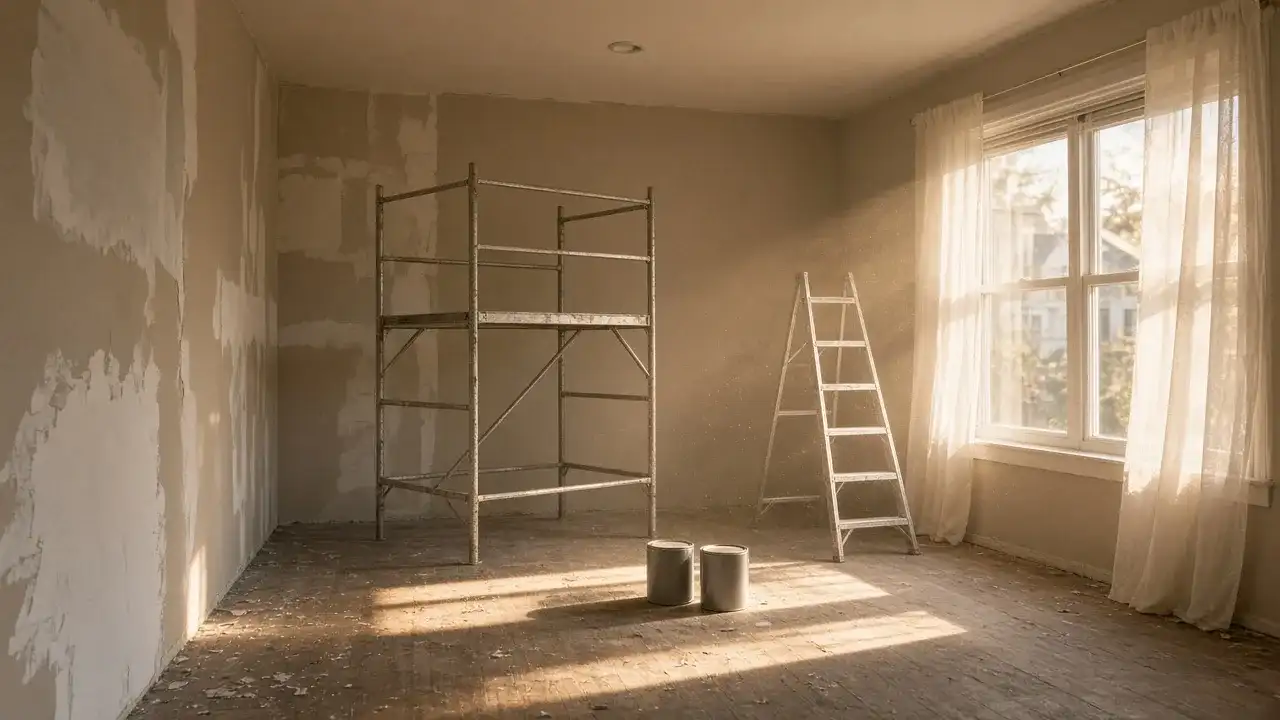
A light cosmetic scope, with a crew that is actually available, can be a matter of weeks. A kitchen, baths, systems, and layout changes are a matter of months. Add plan check and inspections and the months get less theoretical.
What lengthens a rehab in Orange County:
- The scope grows after demolition. Budget time for that, not only money.
- The city asks for corrections. Each cycle is a wait.
- Materials are late, or the one trade you need is on another job.
- An HOA has to approve the work. That approval is not instant.
- You are not available to make decisions, so the crew stops and waits.
Selling a house with unpermitted work matters here if the last owner already improvised. Opening a wall and finding a surprise is a common reason a “six-week” job is no longer six weeks. We are not saying your job will take six weeks. We are saying a number you hoped for is not a schedule.
Ask the contractor for a written sequence: start, major trades, inspections, and a finish date. Then add slack. Pay attention to inspection days. A failed inspection restarts a wait you do not control.
Phase 4: List, offer, and the buyer’s escrow
The day the painter leaves is not the day you are paid.
You still need the house photographed, priced, and shown. How fast it sells depends on the price, the condition, and how many buyers want that city this month. Look up recent days on market for similar sold homes. That is your evidence. A seminar statistic from another state is not.
When you accept an offer, the buyer usually has their own escrow. Financed buyers often need several weeks, and sometimes longer if the loan or the appraisal stalls. Cash buyers can be quicker. Either way, the purchase contract you sign as the seller sets the date. You pay holding costs until that closing, not until the day you go into escrow.
A second negotiation often shows up after the buyer’s inspection. Leave room in the calendar and in the price. A deal that “sells in a weekend” can still take a month or more to fund.
Put the phases on one calendar
Add the phases instead of remembering the fun one.
- Days to get under contract and finish due diligence.
- Days from a solid contract to your purchase closing.
- Rehab days, including permits and a slip.
- Days to get an acceptable offer once the house is actually showable.
- Days in the buyer’s escrow until you are paid.
A cosmetic project with clean title and an available crew can move from your purchase contract to your sale closing in a few months. A permitted remodel can run much longer. Both sentences can be true. Neither one is your house until you fill in the five lines.
If the total is longer than your loan, or longer than your cash, the timeline is the reason to pass. Interest does not care that the job is “almost done.”
The investors page is where to talk through a live calendar if you want a second opinion. Bring the contractor’s sequence and the loan’s maturity date. Those two dates should not be a surprise to each other.
Frequently asked questions
How long does it take to flip a house?
Count five clocks: finding and underwriting the deal, your purchase escrow, the rehab, the time to get an offer, and the buyer’s escrow. A light cosmetic project can be a few months from your purchase contract to the day you are paid. A permitted remodel can take much longer. There is no single average that describes both.
How quickly can I sell a house after flipping it?
You can sell when the work is done, the house is presentable, and a buyer agrees to a price the comps support. “Quickly” then depends on that price and on the buyer’s financing. Accepting an offer is not the same as getting paid. Budget for the buyer’s escrow, and check current days on market in that city rather than borrowing a national figure.
What makes a flip take longer than planned?
Permits, hidden repairs, a busy contractor, HOA approval, and a buyer whose loan is slow. Most of those are visible early if you ask. The expensive version is discovering them after you have already promised a lender, or yourself, a date you cannot move.